My “On Key Summit” photo was recently printed and published in the spring/summer edition of the German BMW Magazin. It’s nice to see it printed in such a well-designed environment. It’s also the first photo I got paid for.
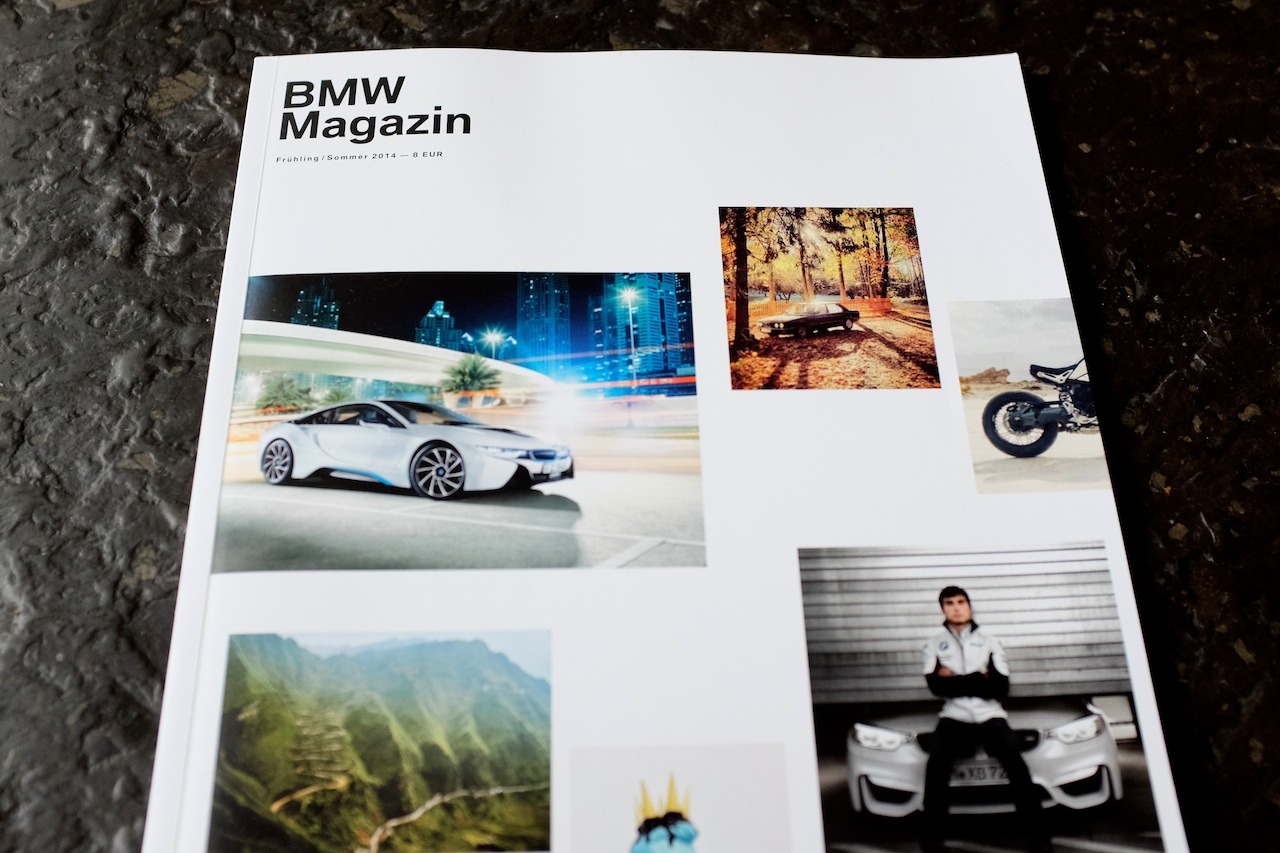
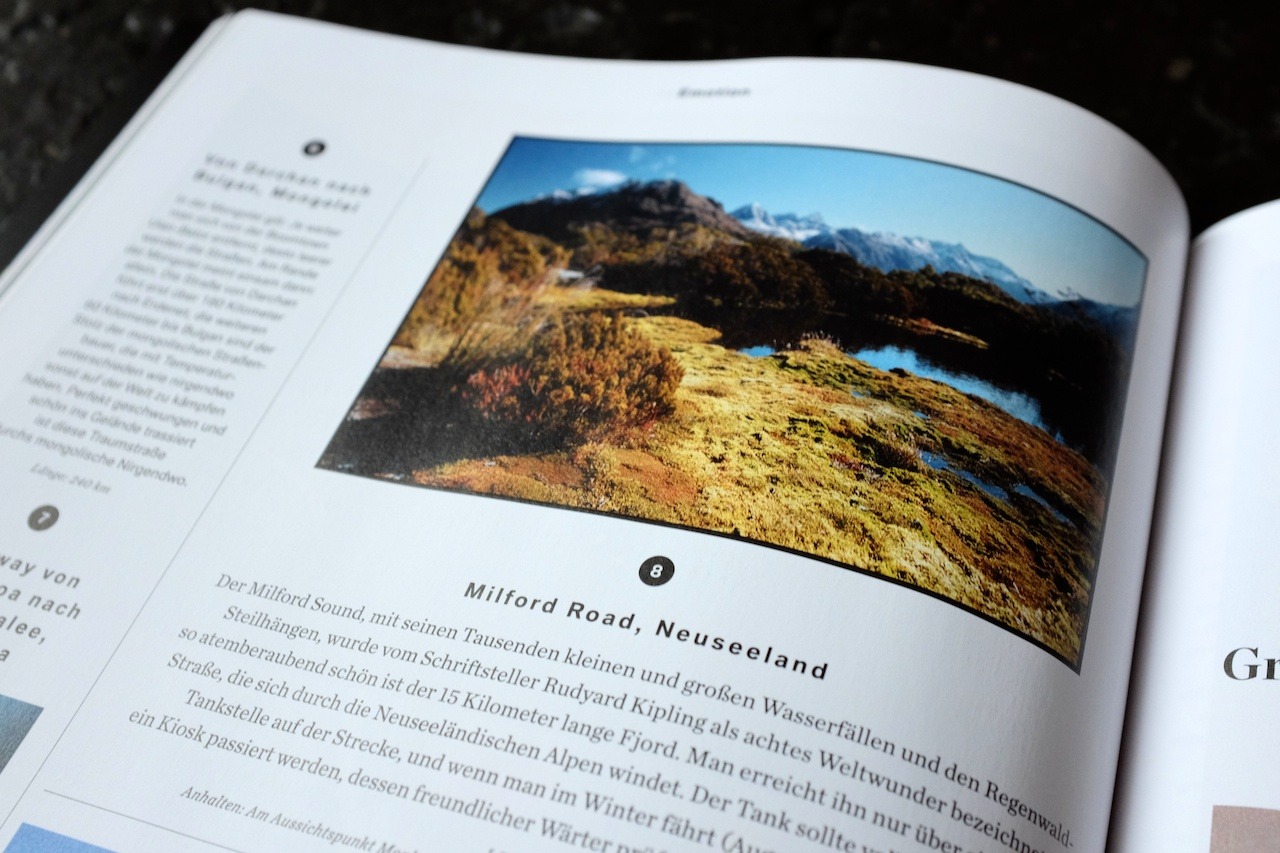
My “On Key Summit” photo was recently printed and published in the spring/summer edition of the German BMW Magazin. It’s nice to see it printed in such a well-designed environment. It’s also the first photo I got paid for.

Nach einigen organisatorischen Hürden kann ich Euch jetzt endlich die Ergebnisse von meinem ersten analogen Shooting präsentieren. Der geneigte Leser fragt sich jetzt bestimmt – “warum tut man sich Das im Jahr 2014 noch an?” “Warum benutzt Du nicht Deine Digitale? Geht doch viel schneller?”
Die genannten Gründe lassen auch mich immer mehr mit der Filmfotografie liebäugeln.
“Everybody Street” illuminates the lives and work of New York’s iconic street photographers and the incomparable city that has inspired them for decades. The documentary pays tribute to the spirit of street photography through a cinematic exploration of New York City, and captures the visceral rush, singular perseverance and at times immediate danger customary to these artists.
Covering nine decades of street photography, “Everybody Street” explores the careers and influences of many notable photographers––a number of whom have never been documented, featuring: Bruce Davidson, Elliott Erwitt, Jill Freedman, Bruce Gilden, Joel Meyerowitz, Rebecca Lepkoff, Mary Ellen Mark, Jeff Mermelstein, Clayton Patterson, Ricky Powell, Jamel Shabazz, Martha Cooper, and Boogie, with historians Max Kozloff and Luc Sante.
I just watched this. Recommended!
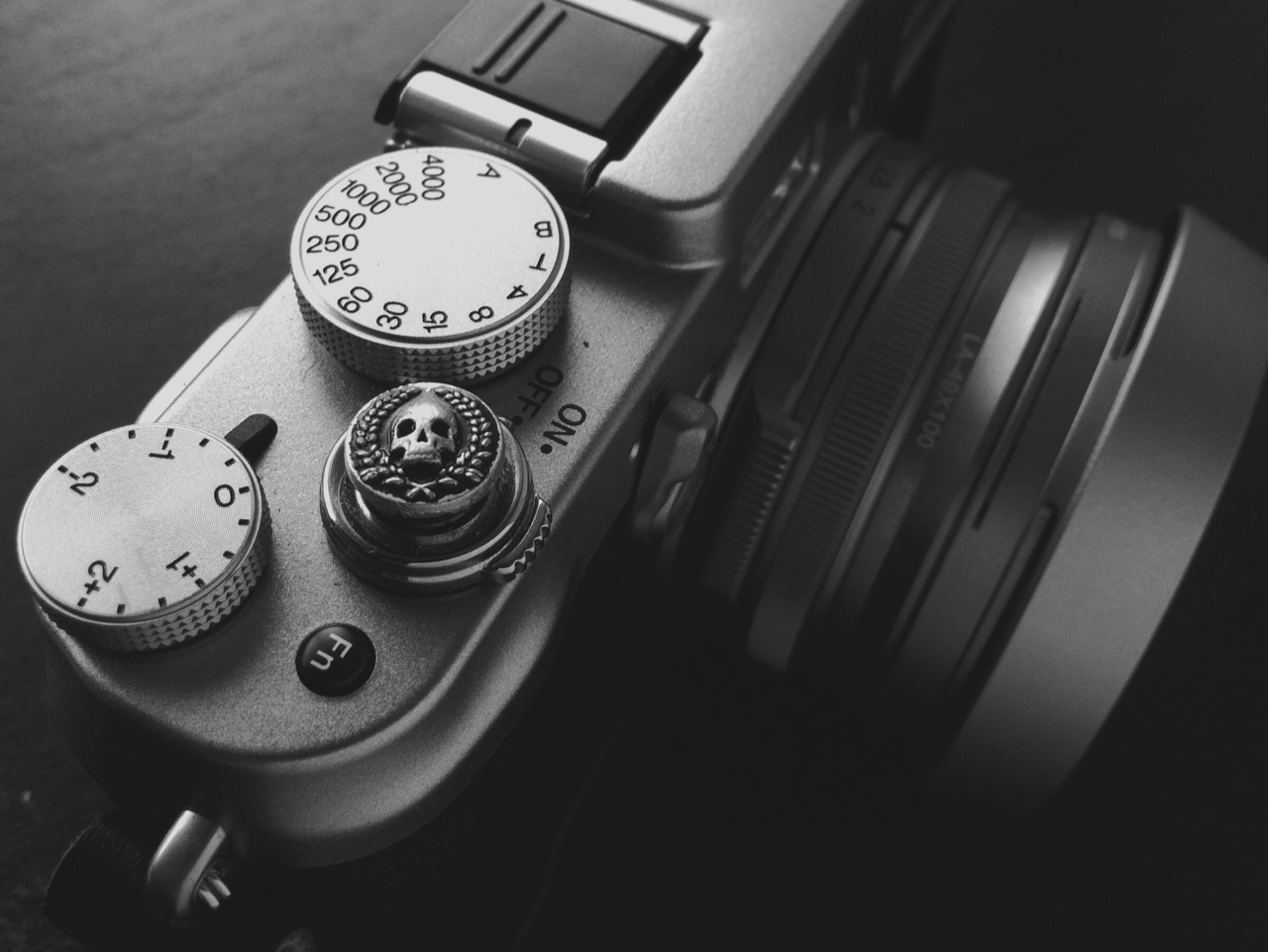
Accessorizing my X100s
Craig Mod’s follow-up article on the excellent “Goodbye, Cameras.”:
So, if you’re interested in this topic — please join me. I’d like to dive into more technical detail here than seemed prudent in “Goodbye, Cameras.” I’d like to poke deeper into the idea of the network and its implications on the photograph and photography, more precisely define photography’s role in my life, ponder digital archives, and layout some thoughts on dealing with technological sea change. You know, just a few light topics.
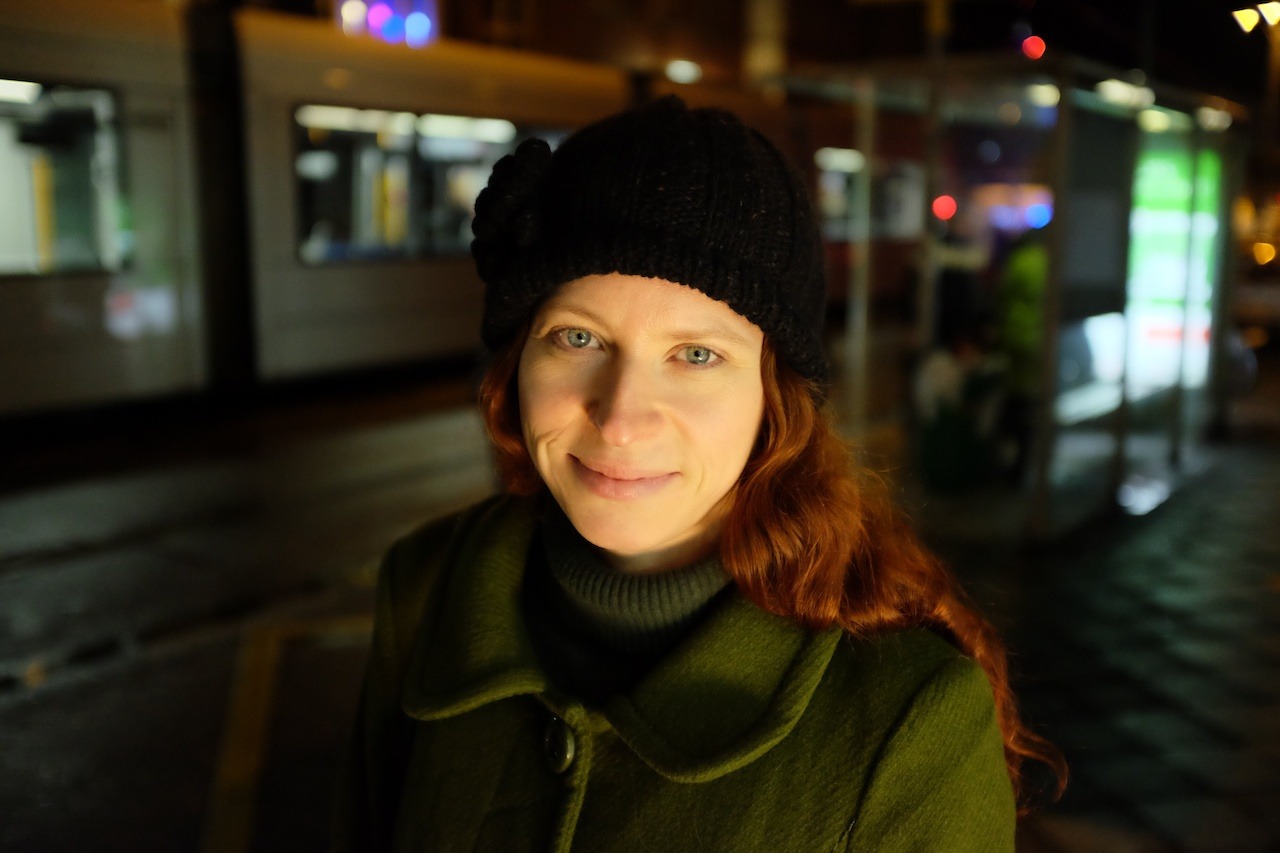
Spontaneous portrait of Nicole at a tram stop from a few days ago.
This is one of my first photos with the Fuji X100s. This is ISO 3200! And it’s a JPG in normal quality, straight from the camera. The light comes from a shop window (no flash).
Overall quality is amazing. The dynamic range is simply stunning.
There’s great detail in both the shadows and highlights. I haven’t seen anything like it from any camera I’ve owned so far (without post-processing).
This is exactly – or at least very very close to – how I saw it. I’m very impressed!
Fascinating article by Craig Mod for the New Yorker:
In the same way that the transition from film to digital is now taken for granted, the shift from cameras to networked devices with lenses should be obvious. While we’ve long obsessed over the size of the film and image sensors, today we mainly view photos on networked screens—often tiny ones, regardless of how the image was captured—and networked photography provides access to forms of data that go beyond pixels. This information, like location, weather, or even radiation levels, can transform an otherwise innocuous photo of an empty field near Fukushima into an entirely different object. If you begin considering emerging self-metrics that measure, for example, your routes through cities, fitness level, social status, and state of mind (think Foursquare, Nike+, Facebook, and Twitter), you realize that there is a compelling universe of information waiting to be pinned to the back of each image. Once you start thinking of a photograph in those holistic terms, the data quality of stand-alone cameras, no matter how vast their bounty of pixels, seems strangely impoverished. They no longer capture the whole picture.
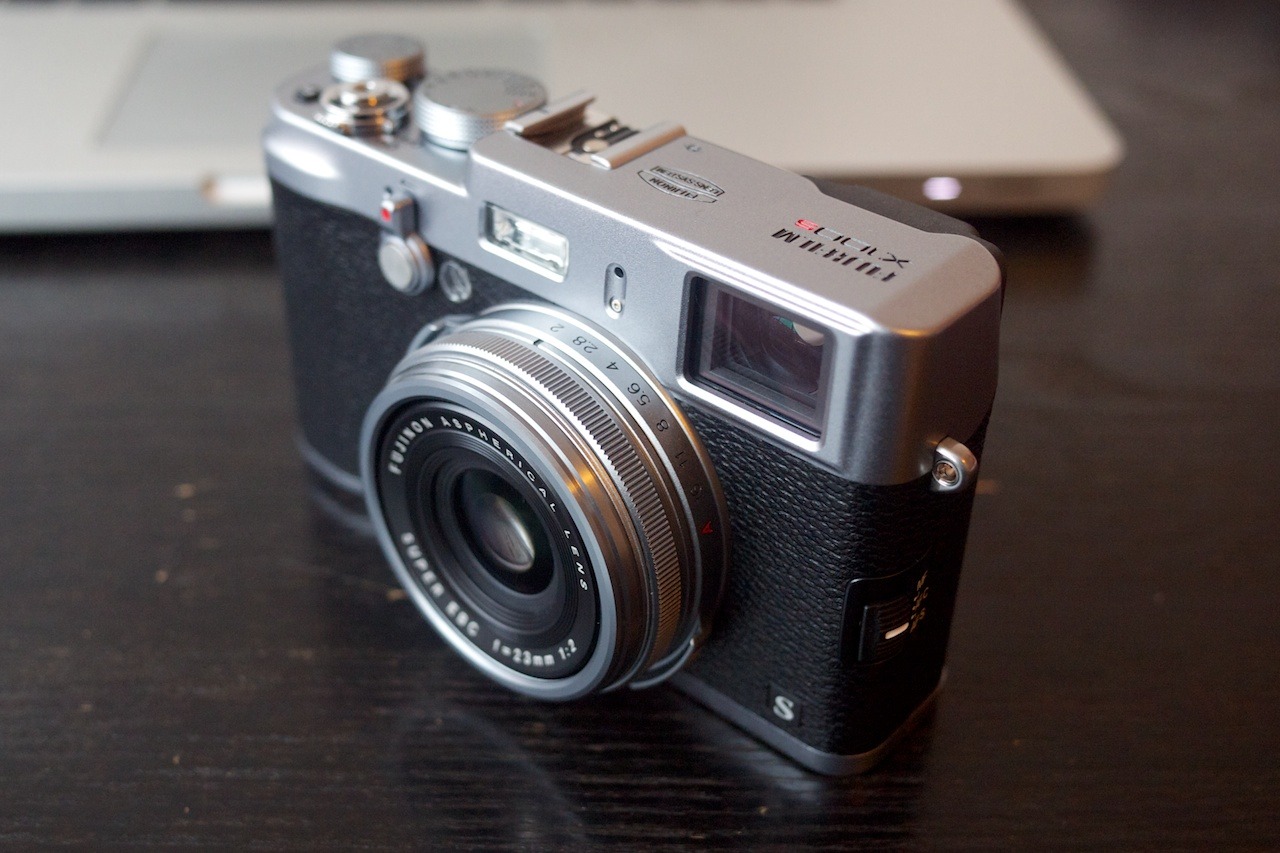
It’s here!
After coming back from Rome, I had a problem. I enjoyed shooting with the Nikon FE film camera so much, that I wanted a digital camera that more closely replicates this experience than my GF1.
I wanted a more classic experience: an aperture ring on the lens, a shutter speed dial, a direct control for exposure compensation, a (optical) viewfinder, good manual focus. And more. And all of that in a compact package, not much larger than the GF1, if possible.
I didn’t have to look around much. There’s only one company right now that makes these sort of cameras: Fuji with its X-System.
So, I began reading articles and reviews about these cameras. Quickly, I got pretty excited about these cameras and couldn’t stop researching. DPreview and Thomas Menk’s blog were my starting points. And from there, I found an endless stream of articles and videos praising the Fuji cameras and their lenses.
After almost three weeks of obsession and hesitation, I ordered a new X100s via eBay last Friday.
While the X100s is apparently not perfect in all regards, it still ticks a lot of boxes for what I think makes a good camera for me: In addition to the classic controls, there’s the hybrid viewfinder, a great sensor with high dynamic range and low noise, a fast high-quality prime lens and it’s dead silent and small — to name a few.
I had some doubts getting a camera with a fixed 35mm-equivalent prime lens. But then again, the vast majority of photos I took with the GF1 in the last three years were with either the 28mm-equivalent or 40mm-equivalent primes. So I think this one lens will fit my shooting style quite well. For at least 95% of the time anyway.
I can’t wait to try it out.
Around and inside the impressive, almost 2000 year old Pantheon in Rome.
All shot with a Nikon FE, 50mm lens and Fuji Neopan 400 film.
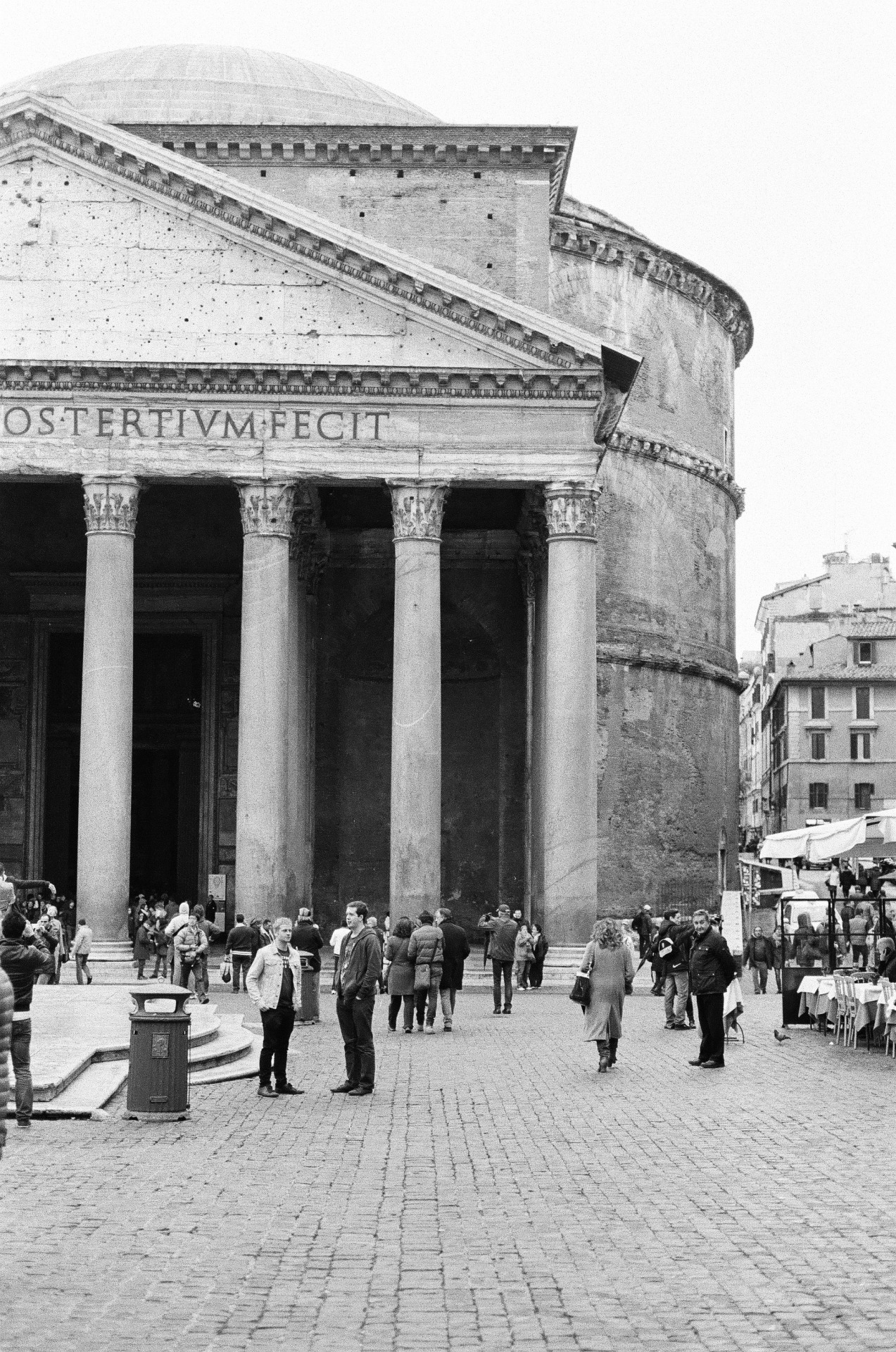


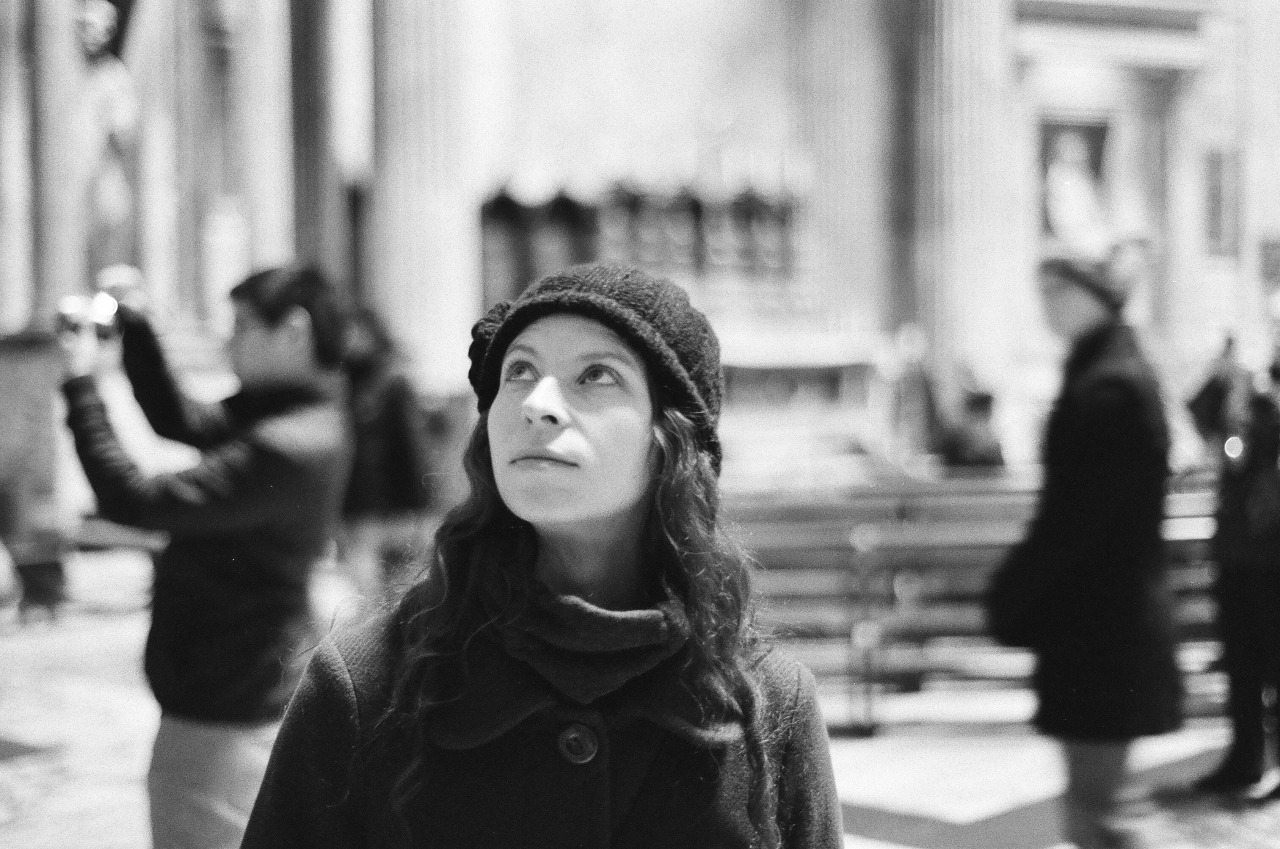
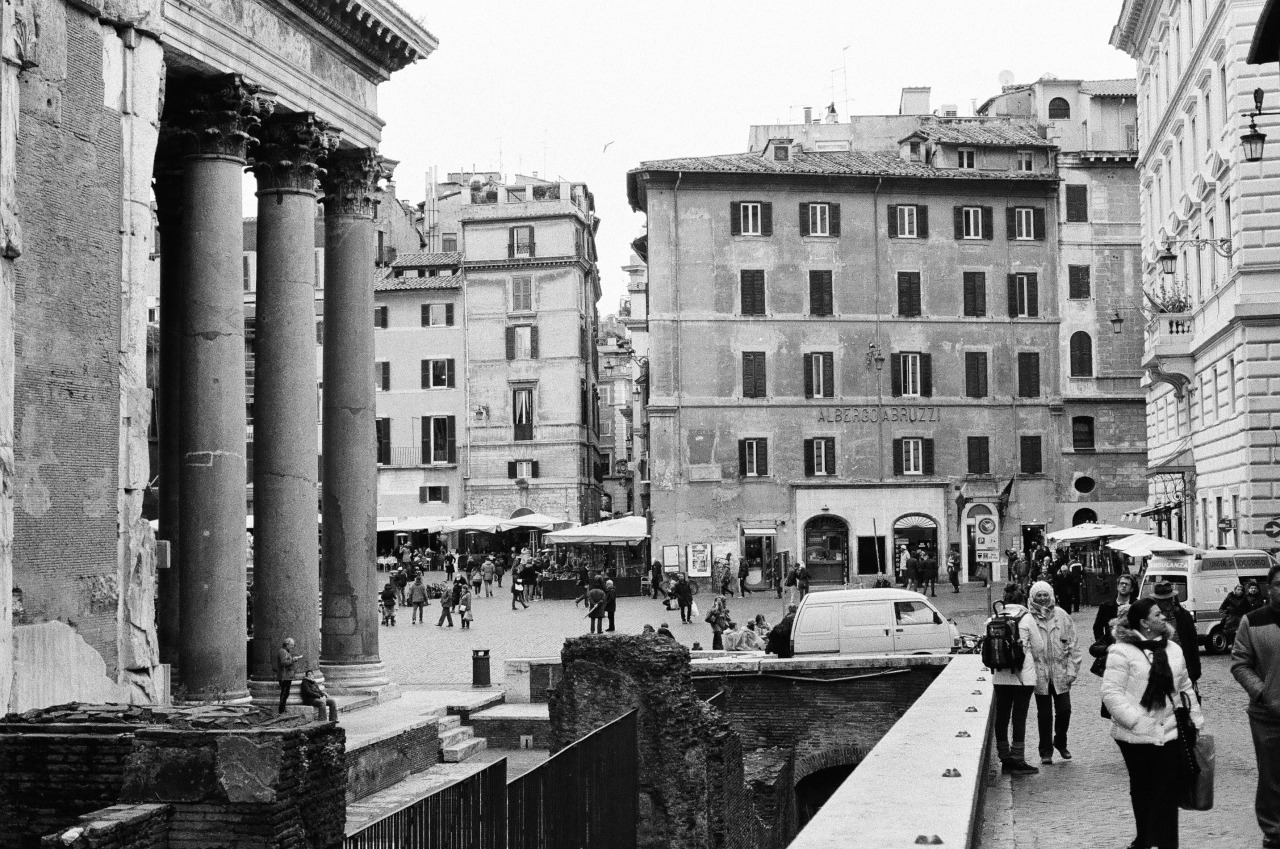
At the beginning of December, Nicole and I went to Rome for a week. I took with me my Nikon FE film camera with 50mm lens and two black and white films. And I had a blast shooting with it.

It was not the only photographic equipment I brought along, of course. I also packed my trusty GF1 plus a few prime lenses. And I still shot more photos with the digital equipment. But it was the 30-year-old, simple film camera that I enjoyed way more. I didn’t really expect this and ended up shooting more than I originally planned to. So I had to buy one more (colour) film while we were there.

Been here for lunch. This was our waiter.
When I was out with the Nikon, I didn’t bring my GF1 and vice versa.
What made me like this setup so much, was a combination of its controls, the limitation of a single lens, the fact that it is a film camera, and its overall simplicity.

The controls are just fantastic. Instead of a mode-dial, which almost all modern cameras have, it has an aperture ring on the lens as well as a focus ring, a shutter-speed dial and a direct control to set the exposure compensation. That’s it. You can look at the top of the camera and can immediately see what its settings are. And — more importantly — you can set all the controls directly without looking at a screen and fiddling with tiny buttons. I really wonder why almost all cameras these days have a mode-dial, especially with enthusiast and pro models. I think, it’s wonderfully intuitive to set your camera with these old-school controls. It’s all you need, really.

I learned to love a manual lens on my GF1. But the 50mm lens translates to a 100mm equivalent on Micro Four-Thirds, which just isn’t that practical for me most of the time.

Another thing I noticed was, that I really like looking through a viewfinder. I missed this with my GF1, but it was while shooting with the FE, that I noticed just how much. I don’t know exactly why, but it feels different than composing via a screen. When you lift the camera to your eye and look at the actual world through an optical viewfinder, there’s a different connection to the world around you.

The constraints of this setup — shooting film and having one specific film loaded at a time, plus having a single focal length lens — really made me think more about what to photograph and how to photograph it. I was way more careful with composition. And at the same time it was very liberating not having to think so much about the settings or what lens to use. That was the setup and I had to cope with it. There was more focus on shooting than anything else.

When I was back, it was quite exciting for me to wait for the results. Having only shot one film with the camera before, I wasn’t even confident that the three films I shot turned out ok at all. But they did. And they look quite different to digital — in a good way.

Apart from the photos showing the cameras, all the photos were taken with a Nikon FE with 50mm E Series lens and Fuji Neopan 400 (b&w), Kodak Tri-X 400 (b&w) or Kodak GB 200 Gold (colour) films. Apart from occasional cropping and/or straightening, these photos are not post-processed and are displayed how I got them from the photo-lab.

More photos to come…

I have added another script to my Applescripts-for-Aperture collection:
Keywords From Location
This script adds location keywords, based on the photos GPS data. When the photo is geotagged with latitude and longitude, it will reverse geocode these coordinates to get the keyword names.
Example:
Photo latitude: 51.508401588129
Photo longitude: -0.098569840193Keywords to be added:
United Kingdom, England, London, Millennium BridgeKeywords structure (as shown in the Keywords HUD):
United Kingdom
|-- England
    |-- London
        |-- Millennium Bridge
I created a little Applescript for Apple’s Aperture, that automatically adds camera model and lens model keywords to every photo on import.
Amazing photos.