“Es ist beinahe peinlich, aber ich habe tatsächlich einen Trick, wenn ich für einen Auftraggeber Leute fotografieren muß. Ich habe einen kleine Fahrradhupe in der Tasche, und wenn jemand allzu verkrampft wirkt oder griesgrämig dreinblickt, hupe ich. Dadurch wird das Eis gebrochen. Es ist albern, aber es funktioniert. Außer wenn… Einmal musste ich den Vorstand eines multinationalen Konzerns – den Namen verschweige ich – fotografieren, und die Herren saßen in einem ganz in Mahagoni getäfelten Raum an einem riesigen dunklen Tisch und hingen mit grimmigen Mienen ihren eigenen Gedanken und Problemen nach. Ich holte meine Hupe hervor und hupte. Keiner zeigte die geringste Reaktion, bis auf den PR-Mann. Der sah aus, als würde er jeden Moment einen Herzanfall bekommen. Ich habe von dieser Firma nie wieder einen Auftrag bekommen. Aber bei Chruschtschow hat der Trick funktioniert. Ich wollte, dass er sich zu mir umdrehte. Ich hupte, er drehte sich nach dem seltsamen Geräusch um, und ich hatte mein Bild im Kasten. Hat ihn nicht gestört. Manchmal lassen ich die Hupe in der Tasche und drücke immer wieder drauf, und dann weiß der andere nicht, was er denken soll. Das Gehupe sagt ja tatsächlich etwas aus. Es besagt, dass wir beide wissen, dass das, was wir da tun, ohnehin irgendwie albern ist und dass wir deshalb genausogut versuchen können, das Beste daraus zu machen. Es ist nichtverbale Kommunikation, die dazu führt, dass sich beide besser fühlen. Und ich bekommen ein menschlicheres Bild.”– Elliot Erwitt, Mai 1988 im Buch “Personal Exposures”.

66/365: Nicole enjoying her (second!) Laksa at the Street-Food-Festival in Düsseldorf.
On this beautiful day, we met with friends and had some really delicious food. We both had one Laksa – among lots of other things of course – but Nicole had to get a second bowl. Understandably, since it’s one of her favourite dishes and it’s not so easy to get in this part of the world.
Going (more) indie
A while back, I started sharing my stuff more-or-less exclusively through my blog on my own domain.
I wanted to have a single web-presence where I can share all my content: be it photos, texts, videos, links or whatever else. I wanted to have control over how it’s displayed and where (the URLs of my own domain).
I think the trigger was my frustration with the fleetingness of corporate third-party services. They were (and are) getting neglected, moving in a direction I was not happy with, or getting acquired by Facebook, which I try to avoid as much as I can.
So, I thought, instead of putting a lot of work into sites that I can’t control, I’d rather put it into my own website on my own domain.
I just wanted something more reliable and permanent.
I still wanted to continue using these third-party services, though. I wanted my connections on these sites to be able to continue following me there. But I didn’t want to have to rely on these services as much as before. I wanted the canonical source of my content to be my blog.
So, I continued (and I am going to continue) posting copies of my content to Flickr, Twitter and all the other services that I use, but this posting happens automatically most of the time and always through my blog1.
And that’s why I was excited when I heard about the idea of the IndieWeb. I think I first heard it from Jeremy Keith at the Decentralize-Camp last year.
The best way to explain what it’s about, is to just quote their website:
What is the IndieWeb? The IndieWeb is a people-focused alternative to the ‘corporate web’.
Your content is yours When you post something on the web, it should belong to you, not a corporation. Too many companies have gone out of business and lost all of their users’ data. By joining the IndieWeb, your content stays yours and in your control.
You are better connected Your articles and status messages can go to all services, not just one, allowing you to engage with everyone. Even replies and likes on other services can come back to your site so they’re all in one place.
You are in control You can post anything you want, in any format you want, with no one monitoring you. In addition, you share simple readable links such as example.com/ideas. These links are permanent and will always work.
I’m now slowly but certainly moving more and more in that direction.
While I currently use Tumblr as my blogging platform – which hardly counts as an independent tool – I still think it is not that much of a contradiction to the IndieWeb principles. Tumblr allows you to host your blog on your own domain – and I believe that this is the main point of the IndieWeb. Whether you host the website yourself comes second, in my opinion. If Tumblr went away – or I wanted to move away from it – I could still switch to host my own site, but – crucially – I could keep all the URLs.
This whole approach has been serving me well for quite some time now. And I’ll continue refining the design of my blog to better cater for this style of sharing and to implement more of the IndieWeb building-blocks.
If you’d like to hear more about this yourself – as opposed to just reading the IndieWeb website – I can recommend this excellent episode of the Working Draft podcast featuring Jeremy Keith.
There are also actual real-world IndieWebCamp events taking place, which you can attend.
There’s even one happening in Düsseldorf in May. And I’ll be there!

65/365: Staircase.
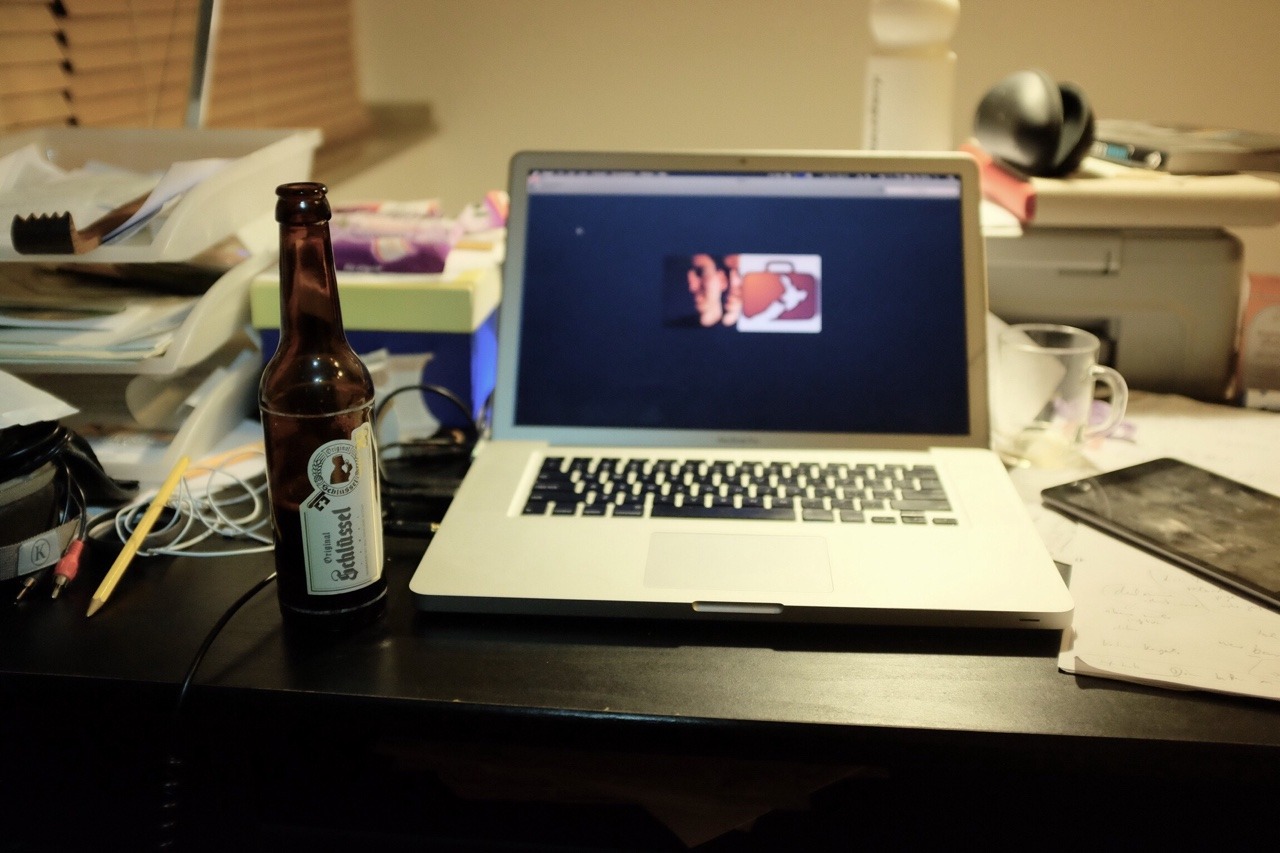
64/365: Late night skyping across the globe.

63/365
Das philosophische Radio zum Thema Kapitalismus.

62/365: Small clouds at sunset.

61/365: Overflow.

60/365: No comment.

Snowbound old van. Châtel, 2015.
Steal Your Soul – (Street) Photography Blog
Nice street photoblog by Bruno Trematore. Lot’s of good photos of Düsseldorf as well!
As always – great talk by Jeremy Keith:
In this 60-minute video caught live at An Event Apart Austin, Jeremy Keith bets on HTML for the long haul—and we do mean long. The pace of change in our industry is relentless. New frameworks, processes, and technologies are popping up daily. If you’re feeling overwhelmed, you are not alone. Let’s take a step back and look at the over-arching trajectory of web design. Instead of focussing all our attention on the real-time web, let’s see which design principles and development approaches have stood the test of the time. Those who cannot remember the past are condemned to repeat it, but those who can learn from the past will create a future-friendly web.
iCloud security and privacy overview - Apple Support
Handy document.

59/365: Finally loaded some film into the old Nikon FE again.