Notes on Migrating from Aperture to Photos for OS X

Helpful post from Fraser Speirs:
This is the story of migrating from a system that involved Aperture and a bunch of jury-rigged hacks to Apple’s new Photos for OS X.
Helpful post from Fraser Speirs:
This is the story of migrating from a system that involved Aperture and a bunch of jury-rigged hacks to Apple’s new Photos for OS X.

Currently reading through this. I’d like to replace Aperture, but the new Photos app doesn’t (yet) seem to be a drop-in replacement. The things I’d definitely be missing would be geotagging and Automator/AppleScript support and maybe third-party adjustments/presets.

92/365: The film cameras from my eBay impulse-buys arrived:
Seems like, I’m a little bit in love with all these compact rangefinder cameras from the 70′s.
Love how Fuji refines the X100-series.
streetsoulphotography.wordpress.com
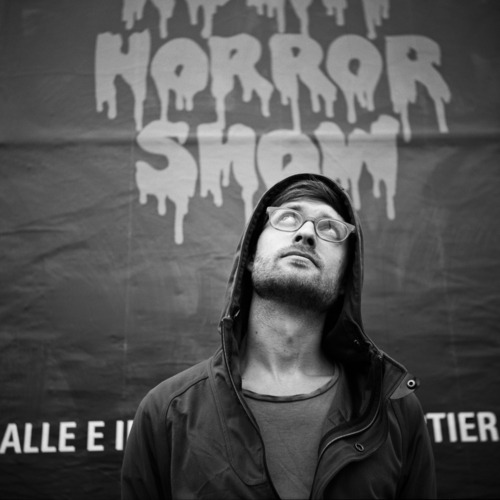
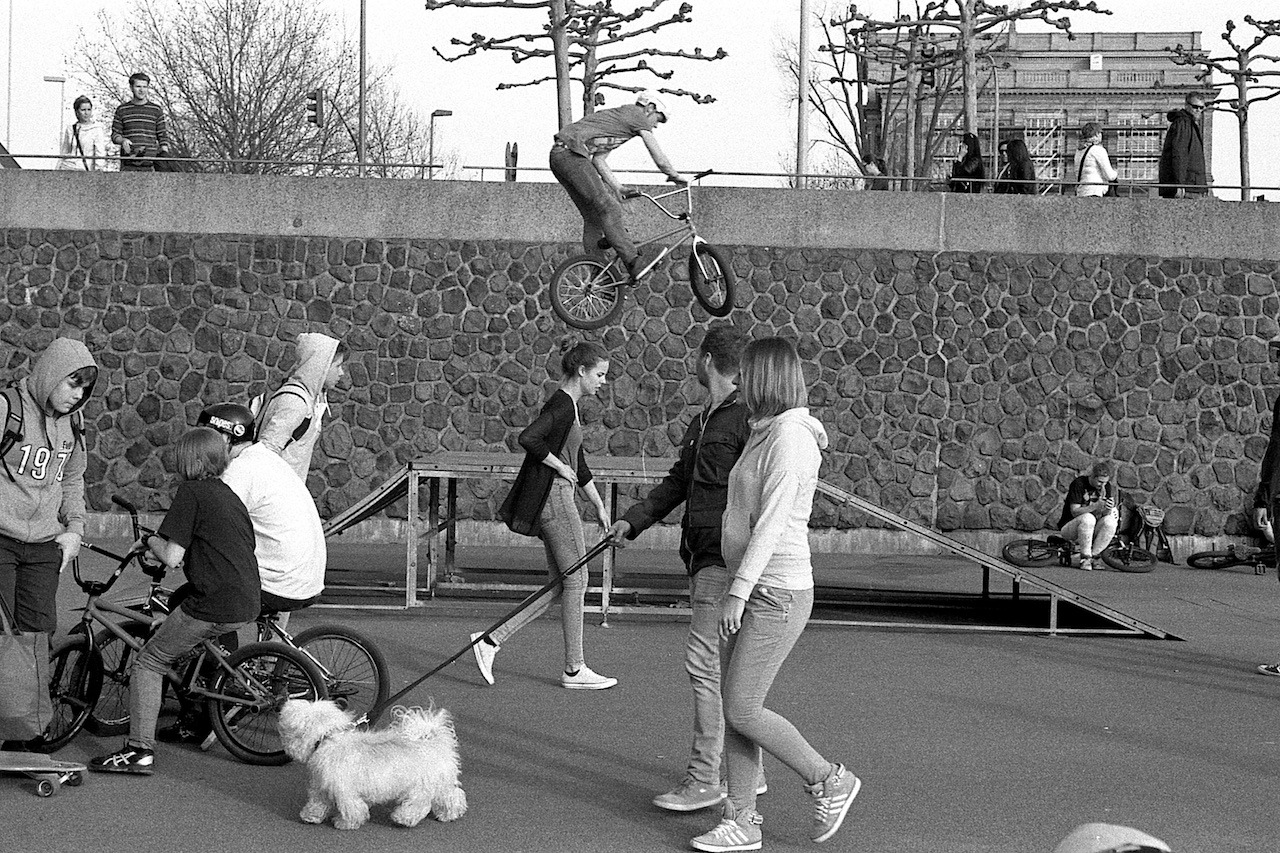
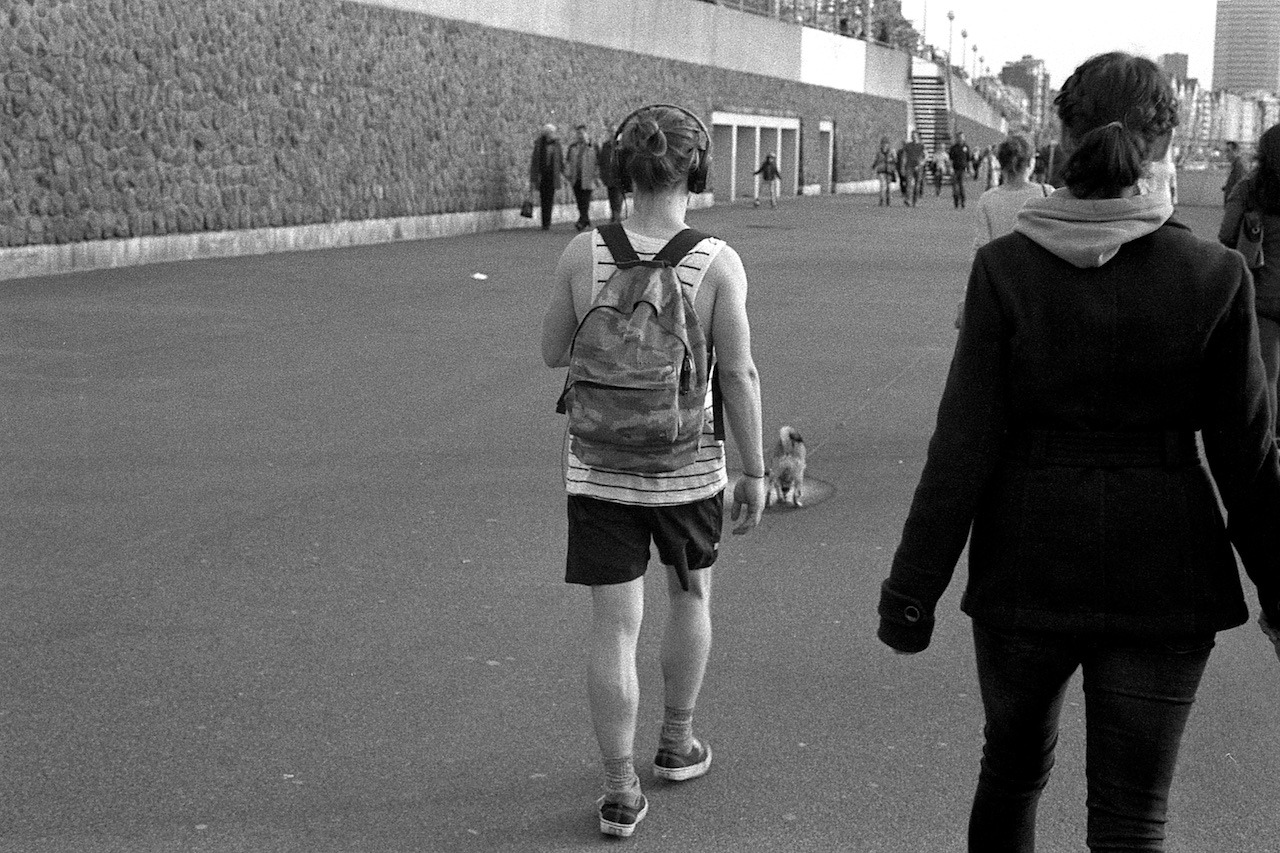
Last week, I’ve been developing and scanning my first roll of 35mm film. I’m going to share some thoughts on this process and of course, I’m going to share some of the photos.
All the black and white photos shown here were shot using my Nikon FE with a 50mm E-Series lens on a beautiful and relatively warm Sunday afternoon two weeks ago in Düsseldorf. The film was a black and white Ilford HP5 Plus.

The developing was a bit of a daunting task, since I didn’t want to screw up and ruin the film – either by accidentally exposing the film to light, or by making a mistake during the developing process using the chemicals.
So, I first spent some time to read about how to develop a black and white film and also watched a couple of YouTube videos. And ultimately, I found a PDF from Ilford’s website to be the best guide. Although, I specifically developed an Ilford film – a HP5 Plus – I think this PDF would be helpful regardless of the film.
Here some resources I found helpful:
So, the first step was to get the film onto the reel.
After I shot the film, I didn’t wind back the film completely, so the leader was still outside. This gave me the option not having to crack open the roll in the dark and thus having to handle all steps in complete darkness. Since the leader was out, I could insert the first bit of the film into the reel with the lights on.
Winding the film onto the reel was quite fiddly, and I didn’t quite manage to get it on there as shown in the videos. But eventually, I got it on there by simply pushing the film in bit by bit.
Then, I had to develop the film in four steps:
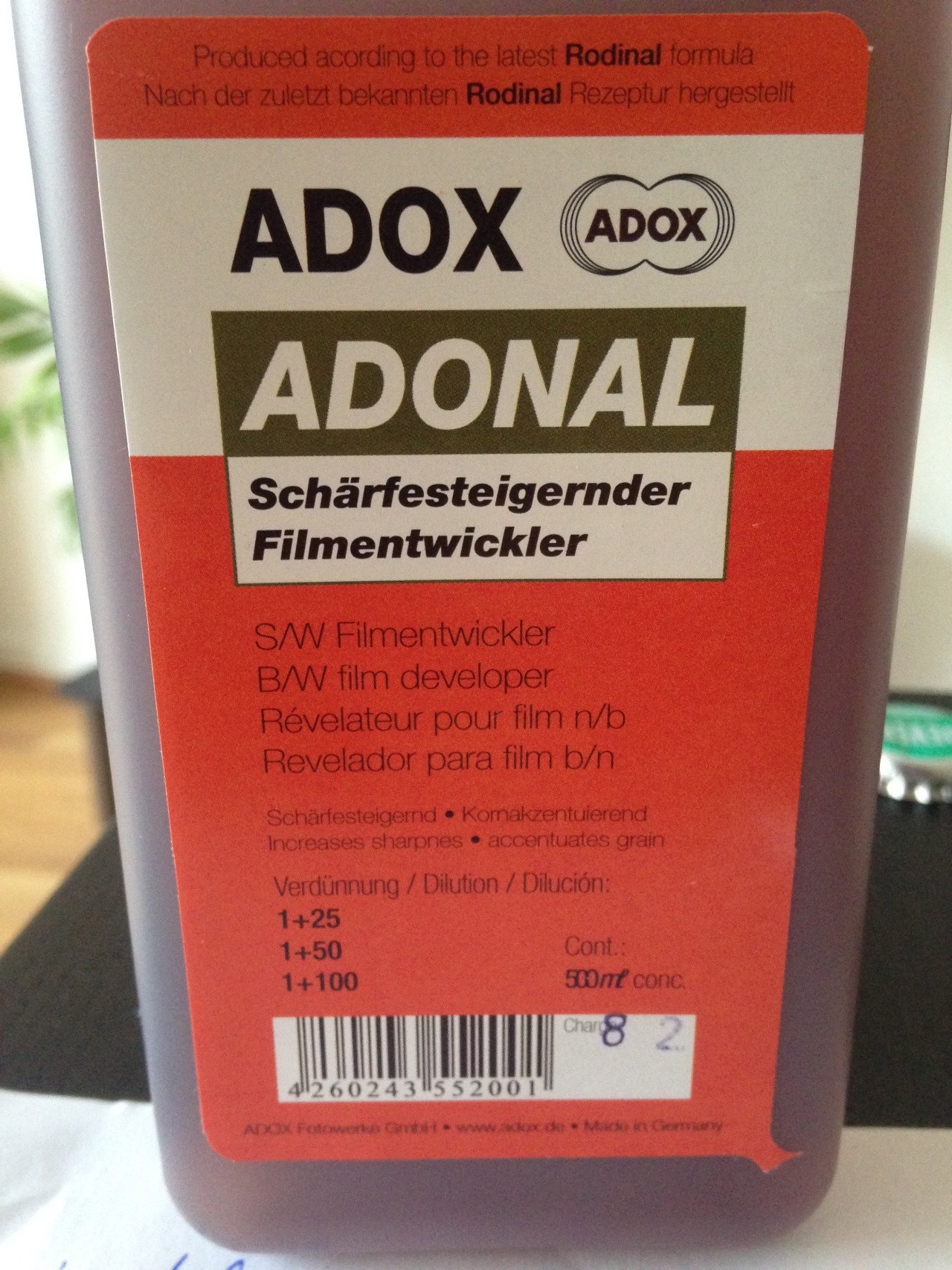
For each process, I used a chemical solution, and all of them had to be tempered to roughly 20°C. It was a bit tedious to prepare all the solutions and especially maintaining them at 20°. But as I found out later, you probably don’t really need the chemicals for steps 2. and 4. And keeping all solutions at 20 degrees seems not to be too important, either. So next time, I’ll try without the chemicals for these steps and just use water.
And, what I should have done after washing (the last step), is wipe the whole film with a sponge to get rid of any remaining solution residues and also to get rid of the first few dust particles that might have already settle onto the film.
Then it was time for drying for which I just hung the strip over the bath tub.
On last word of caution: you should be aware that these chemicals are not harmless. I had a lightly irritated eye a bit later, probably from the solution fumes. So take care with those chemicals!


To be able to scan the images, I had to cut the film-strip into sets of six images, so they fit into the scanner’s tray. Pretty easy. Just use regular scissors.
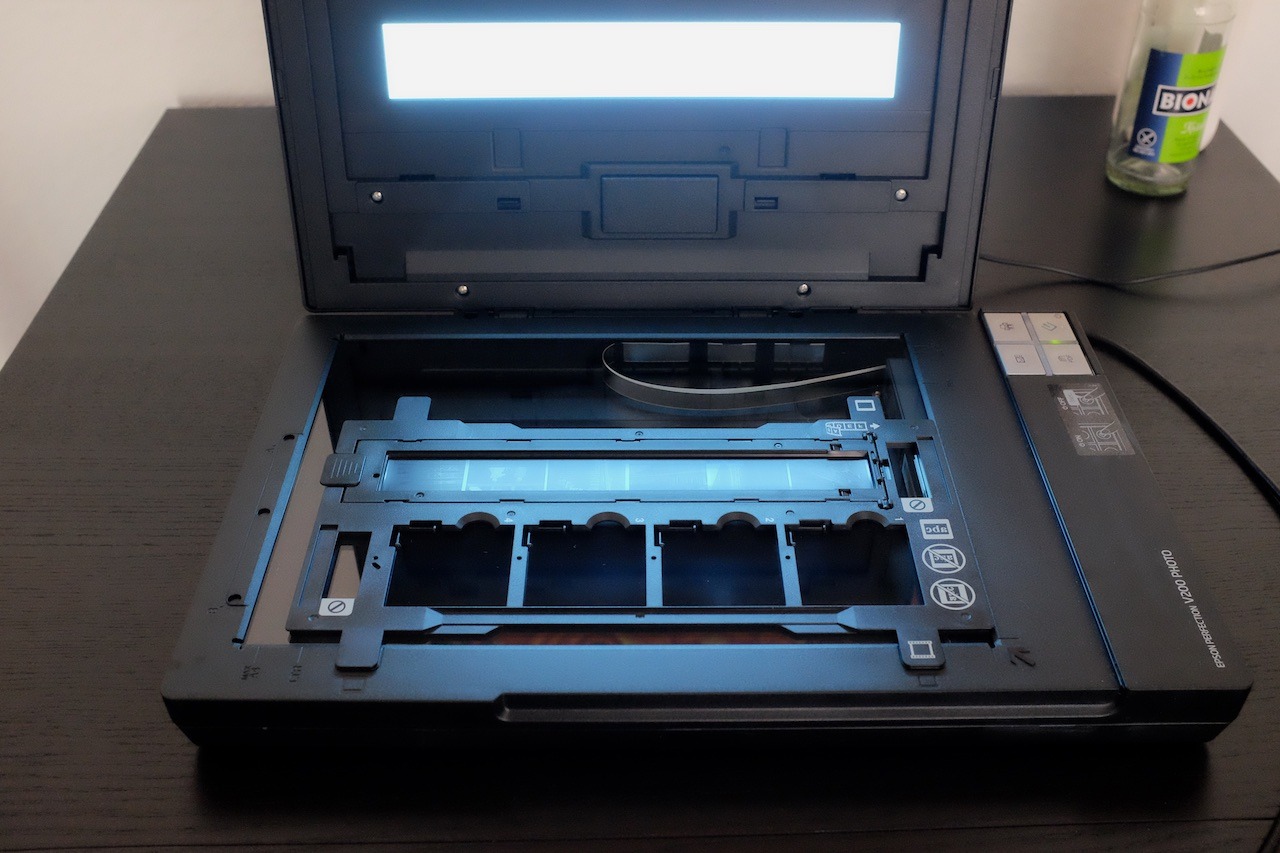
The scanning itself was pretty straight forward, too. I used a Epson Perfection V200 Photo scanner. The Software – “Epson Scan” – automatically recognises the individual images and it’s just a matter of choosing the resolution and file-format you want. I chose JPEG with 600 dpi for a 10x15cm target format, which gives me 8.7 megapixel images.
What I can recommend – and what I didn’t do right from the beginning – is to examine the negatives once again before putting them into the scanner and wiping them with a dry and clean cloth. This should get rid of any new dust.
Here are two helpful resources for the scanning process:
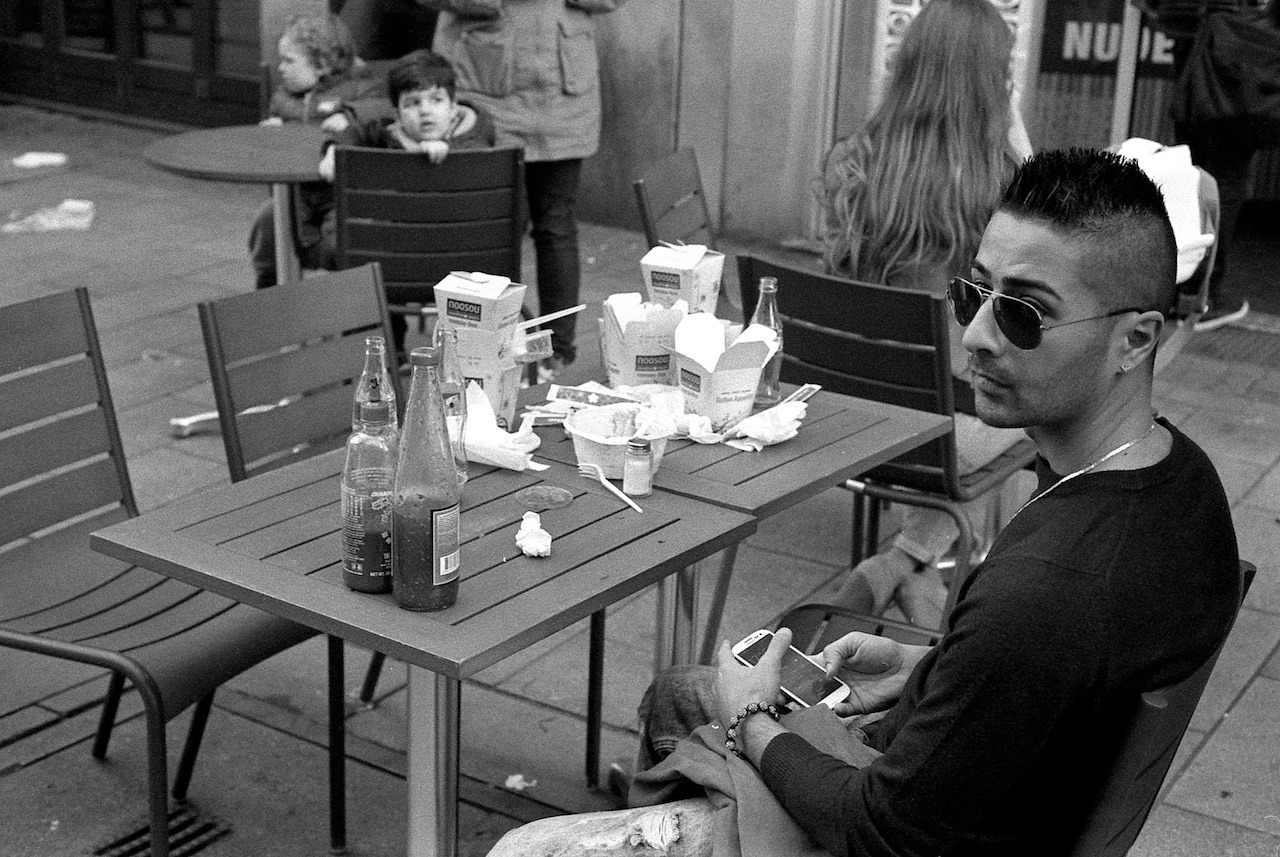
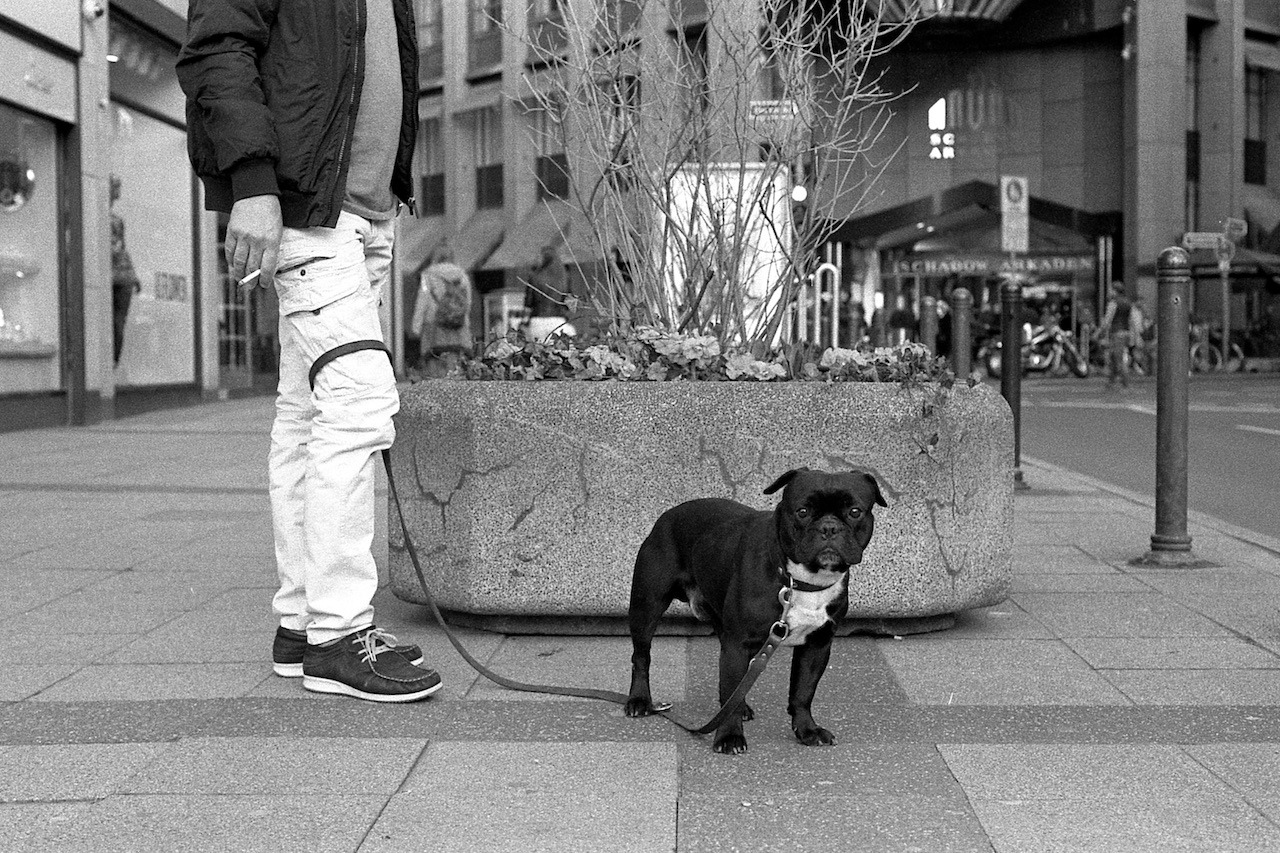
And that’s it.
Overall, it was not really difficult to develop the film. And next time I’ll probably be considerably faster, since I’ll be more familiar with the process, and – as I said – will skip preparing the stop-bath solution.
So, I’m going to do this again. Especially since I really enjoy the whole workflow.
It’s really different to shoot film. I tend to shoot more deliberate, and also pay more attention to composition right away. There’s the suspense having to wait for your photos and not knowing how they turned out. And in the end there are way less photos to edit. And, I think I end up with a much higher percentage of “keepers”. And of course, I like the look of film.


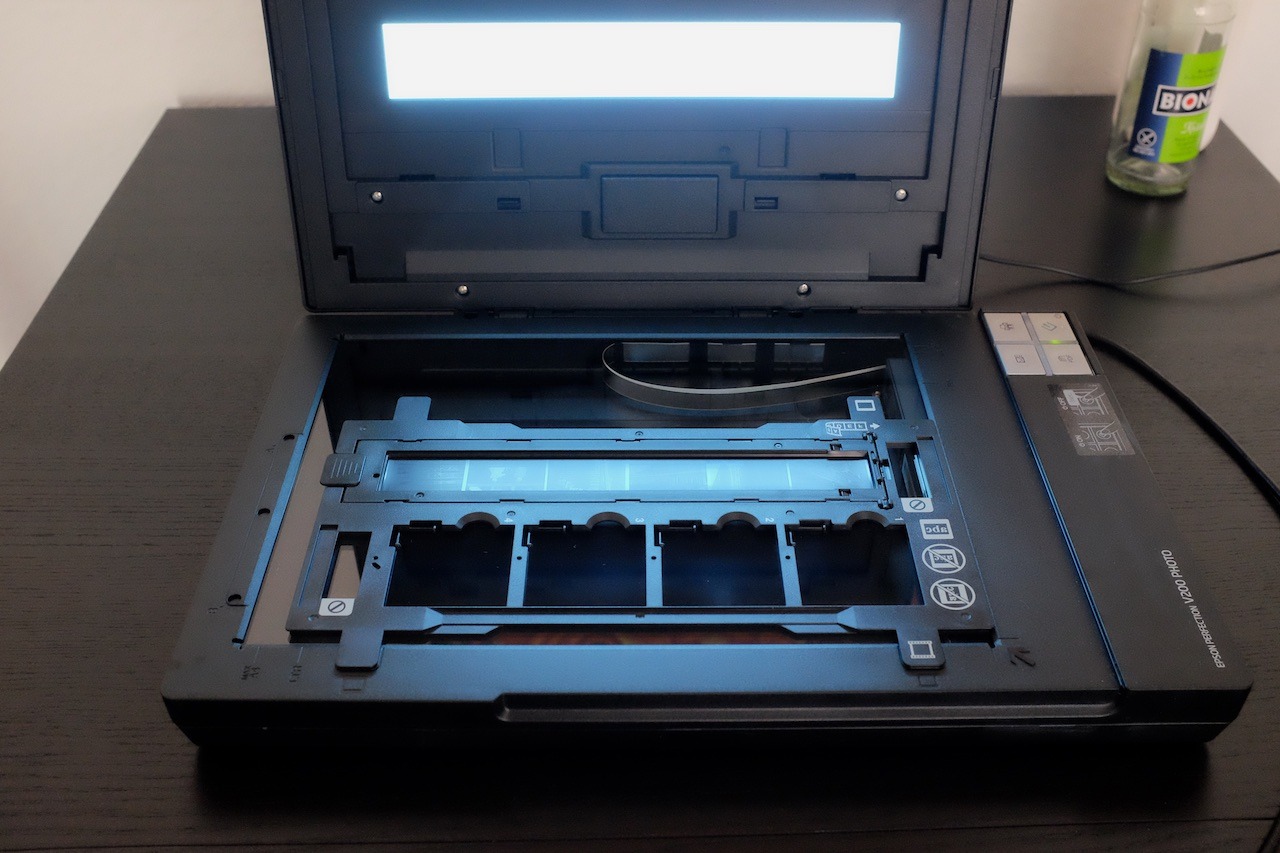
75/365: Been scanning the negatives today.
This was actually very straight forward, and I’ve been pretty happy with sticking with most of the scan software’s default settings. But I should’ve cleaned every strip with a cloth before scanning them. So, on the current scans there’s a bit more dust than I would’ve liked. But overall, I’m very happy with the result. Will be sharing them soon.
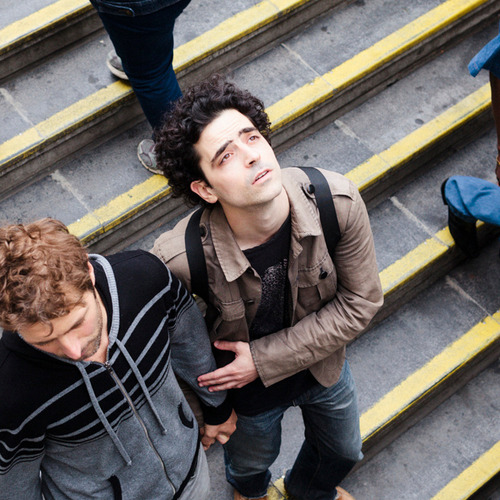
Für viel Aufmerksamkeit und Verärgerung sorgt derzeit ein Bild, das es nirgendwo zu sehen gibt. Abgebildet ist eine elegant gekleidete Frau im Leopardenmantel, die mit Einkaufstüten die Straße am Berliner Bahnhof Zoo überquerte. Fotografiert wurde die Dame von Espen Eichhöfer, Mitglied der renommierten Agentur Ostkreuz. Das Problem: Eichhöfer hatte die Dame weder über das Foto informiert, noch um ihr Einverständnis zu einer Veröffentlichung des Bildes gebeten. Als die Abgebildete ihr Konterfei später im Rahmen einer öffentlichen Ausstellung entdeckte, war sie damit nicht einverstanden und ließ sowohl den Fotografen als auch die Agentur abmahnen. Eichhöfer gab auf Basis dieser Abmahnung eine Unterlassungserklärung ab und verpflichtete sich, das Bild nicht weiter zu verwenden. Hiermit gab sich die Betroffene aber nicht zufrieden und klagte gegen beide vor dem Landgericht Berlin. Dort verlangte sie die Zahlung von mindestens 5.500 Euro als Entschädigung und Lizenzgebühr, sowie Ersatz von zweimal knapp 1.200 Euro Abmahnkosten.
Warum sind Leute so, und verklagen direkt? Geldgier?
Fotos von Fremden ohne deren explizites Eingeständnis zu veröffentlichen birgt in Deutschland auf jeden Fall ein Risiko. Ich find’s albern und würde mir wünschen, wenn bei dem Prozess ein sinnvolles Urteil ergeht.
“Es ist beinahe peinlich, aber ich habe tatsächlich einen Trick, wenn ich für einen Auftraggeber Leute fotografieren muß. Ich habe einen kleine Fahrradhupe in der Tasche, und wenn jemand allzu verkrampft wirkt oder griesgrämig dreinblickt, hupe ich. Dadurch wird das Eis gebrochen. Es ist albern, aber es funktioniert. Außer wenn… Einmal musste ich den Vorstand eines multinationalen Konzerns – den Namen verschweige ich – fotografieren, und die Herren saßen in einem ganz in Mahagoni getäfelten Raum an einem riesigen dunklen Tisch und hingen mit grimmigen Mienen ihren eigenen Gedanken und Problemen nach. Ich holte meine Hupe hervor und hupte. Keiner zeigte die geringste Reaktion, bis auf den PR-Mann. Der sah aus, als würde er jeden Moment einen Herzanfall bekommen. Ich habe von dieser Firma nie wieder einen Auftrag bekommen. Aber bei Chruschtschow hat der Trick funktioniert. Ich wollte, dass er sich zu mir umdrehte. Ich hupte, er drehte sich nach dem seltsamen Geräusch um, und ich hatte mein Bild im Kasten. Hat ihn nicht gestört. Manchmal lassen ich die Hupe in der Tasche und drücke immer wieder drauf, und dann weiß der andere nicht, was er denken soll. Das Gehupe sagt ja tatsächlich etwas aus. Es besagt, dass wir beide wissen, dass das, was wir da tun, ohnehin irgendwie albern ist und dass wir deshalb genausogut versuchen können, das Beste daraus zu machen. Es ist nichtverbale Kommunikation, die dazu führt, dass sich beide besser fühlen. Und ich bekommen ein menschlicheres Bild.”– Elliot Erwitt, Mai 1988 im Buch “Personal Exposures”.
Nice street photoblog by Bruno Trematore. Lot’s of good photos of Düsseldorf as well!
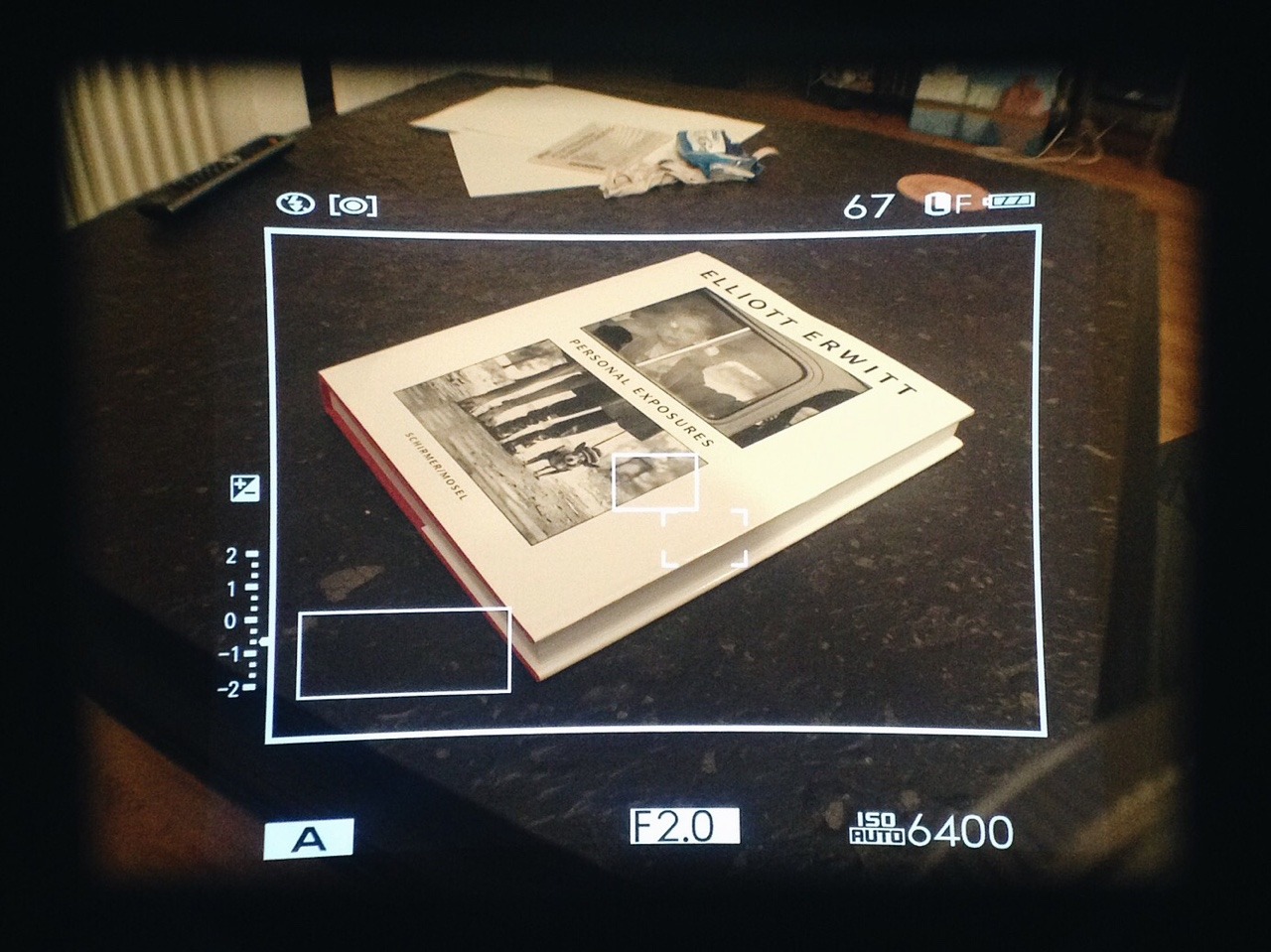
57/365: Currently in focus.
By the way, that’s what it looks like to see through the X100s’ hybrid viewfinder.
Severin Koller – Making of Vienna Photomag.
I’m fifty days into my 365-days-project. Here are a few thoughts on it so far.
Since I’m carrying my X100s around my shoulder most of the time when I’m outside1, I’m taking way more photos than I used to. This results in being able to capture things and moments that I wasn’t able to photograph before – or was too lazy to do so.
The crucial bit really is to have the camera around my shoulder and being ready to take a photo any time.
I am carrying my iPhone and its camera with me all the time, too, but that’s always in my pocket and needs taking out. This seems like only a tiny hinderance for taking photos, but it really is way easier when you have a camera ready to go any second.
Another side-effect of taking more photos seems to be, that I’m becoming more aware of what I’m interested in with my photography. There already seem to be a few themes or projects naturally emerging, which is quite interesting.
Taking – and publishing – at least one photo every day really helps to remember what I did that day – or at least let’s me document a tiny detail/bit that interested me that day.
I often feel like time flies, and this project is a great tool to counter this feeling. And while sometimes my photos feel quite ordinary and unimportant on each day, I feel like in hindsight, it will proof to be a valuable record for me personally.
It’s not all roses here, though. On quite a few days I have felt uninspired and halfhearted. It’s not always easy to produce an at least somewhat meaningful or beautiful photo every day for one year. But I think the effort is going to be worth it in hindsight and I’m looking forward to what lies ahead of me.
Even when running just a few errands at the around-the-corner supermarket. ↩︎

50/365: The Street Photographer’s Manual.
I’ve pretty much read and looked through this now. It’s a good book. It’s a mix of showing you techniques you can use on the street and introductions to photographers.
While the choice of photographers is a little iN-PUBLIC-biased (the author David Gibson is himself a member of this collective), I still enjoyed it a lot – especially for the introduction or re-introduction to great photographers and their different styles. Recommended!